
In 2026-27 the State CET Cell's engineering CAP had 1,94,330 B.E./B.Tech seats at 387 institutes in Maharashtra, with 15,892 EWS and 8,897 TFWS seats over and above them. Most are for Maharashtra candidates, by Home University or at State Level; 25,053 are All India seats, filled by JEE Main scores first, 17,993 are minority seats and 15,683 are filled by the institutes themselves. The 2027-28 seat matrix is not out yet.
The CET Cell's 2026-27 engineering CAP: Round I's seat matrix with the 7 institutes added and the 3 intakes raised later. Over and above these: 15,892 EWS and 8,897 TFWS seats, shown in each institute's seats
11 Government colleges
Government colleges of engineering: every seat for Maharashtra candidates

3,480 seats
4 Government-aided institutes
VJTI Mumbai, SGGS Nanded, Walchand Sangli and Sardar Patel, Mumbai
2,050 seats
13 University institutes
COEP Technological University, ICT Mumbai, Dr BATU Lonere, LIT Nagpur and university departments

3,624 seats
88 Autonomous private colleges
Private unaided colleges with autonomy: State Level, All India and institute-level seats

67,215 seats
214 Private colleges
Private unaided colleges affiliated to a university: Home University and Other than HU seats
82,795 seats
57 Minority colleges
Private religious and linguistic minority colleges: at least 51% of the seats for their minority

35,166 seats
Every institute's courses, with the seats in each quota and category.
387 institutes · 1,94,330 seats · the 12 largest shown
Their seats are for Maharashtra candidates, apart from a few trust seats. An autonomous institute fills them all at State Level; a non-autonomous one gives 70% to candidates from its Home University area and 30% to the rest of the state. The exceptions: COEP Technological University keeps 20% for All India candidates, ICT Mumbai and LIT Nagpur 30%, and Dr BATU Lonere 15% for the Konkan districts.
At a private unaided college, 65% of the intake is Maharashtra seats: all at State Level if it is autonomous, or 45.5% Home University and 19.5% Other than Home University if not. 15% are All India seats, and 20% the institutional quota, which the college fills itself; up to 5% of the intake may go to NRI candidates.
A minority college keeps at least 51% of its seats, and up to all of them, for Maharashtra candidates of its own religious or linguistic minority. Seats they leave go to other Maharashtra candidates, then to All India candidates. The rest are Maharashtra seats, All India seats and the 20% institutional quota, as at other private colleges.
Your Home University is the university area where you passed Class 12 (type A) or where your domicile certificate was issued (type B). Home University seats go to that area's candidates first, Other than Home University seats to the rest of Maharashtra; seats left are then filled without the tag. State Level seats are open to every Maharashtra candidate alike.
Open to every Indian national, with JEE Main scores first, then MHT CET, then diploma marks: 25,053 seats in 2026-27. Government institutes have none, apart from COEP Technological University, ICT Mumbai and LIT Nagpur. In Round IV, Maharashtra and minority seats still empty go to All India candidates too.
EWS seats are 10% more than the intake, for Maharashtra's Economically Weaker Section candidates: 15,892 in 2026-27. TFWS seats, up to 5% more, waive the tuition fee for Maharashtra candidates with a family income under ₹8 lakh, have their own choice code and allow no change of college or course: 8,897.
30% of each category's seats are for women, but not the PwD, Defence or orphan seats. 5% of the Maharashtra seats are for candidates with a benchmark disability of 40% or more, and 5% for children of defence personnel. 1% of the CAP seats, outside minority colleges and the All India seats, are for orphans.
The institutional quota and seats still empty after Round IV are filled by the institutes, in order of merit, from 8 to 14 September in 2026. You must have registered for the CAP and had your documents verified to apply. An empty CAP seat goes first to a candidate of the category it was kept for.
Round I's seat matrix of 27 July 2026 had 1,92,030 seats of intake at 380 institutes. Seven institutes joined later, one of them by a Bombay High Court order (2,060 seats), and three raised an intake (240 seats), for the CET Cell's total of 1,94,330 at 387. They are all shown here.
The State's shares of the Maharashtra seats in the CAP, for Maharashtra candidates only (CET Cell brochure 2026-27): All India, minority and institutional seats have no reservation. SEBC's 10% is subject to the High Court's decision.
Each square is one of every 100 seats.
Besides engineering, the State CET Cell admits these courses on MHT CET scores, each through its own CAP portal. Seats are 2026-27's, from the CET Cell's own documents.
Pharmacy
B.Pharm and Pharm.D
Class 12 with Physics, Chemistry, and Mathematics or Biology, and a non-zero MHT CET score: PCM and PCB students can apply. Its own CAP, separate from engineering.
43,650 seats in 2026-27
CET Cell college list; Round I matrix: 42,610 B.Pharm and 840 Pharm.D
Agriculture and allied
Maharashtra's four agricultural universities
B.Tech Agricultural Engineering takes PCM only. Agriculture, Horticulture, Food Technology, Community Science, Biotechnology and Agri-Business Management take PCM or PCB.
17,816 seats in 2026-27
Updated college tables, 1 Aug 2026; a few seats were added later
BCA
Bachelor of Computer Applications
The MHT CET score (PCM or PCB) is accepted, as is the CET Cell's own BCA, BBA, BMS and BBM CET.
39,462 BCA seats in 2026-27
Round I seat matrix
B.Planning
COEP Technological University, Pune
Bachelor of Planning, 4 years, on the PCM merit list: Mathematics is compulsory.
75 seats in 2026-27
Round I seat matrix
BBA, BMS and BBM
Management degrees
The MHT CET score (PCM or PCB) is accepted, as is the CET Cell's own BCA, BBA, BMS and BBM CET.
Seats not published on an official page
Through the CET Cell's BBA portal
What students and parents usually ask about the MHT CET (PCM). Still have a question?
Enquire on WhatsAppIn 2026-27 the CET Cell's CAP had 1,94,330 B.E./B.Tech seats of intake at 387 institutes in Maharashtra, and 15,892 EWS and 8,897 TFWS seats over and above it. Of the intake, 1,78,647 were CAP seats and 15,683 were filled by the institutes themselves. The 2027-28 seat matrix is not out yet.
At a non-autonomous college, 70% of the Maharashtra seats are Home University seats, for candidates from the university area the college is in, and 30% are Other than Home University seats, for the rest of Maharashtra. Your Home University is where you passed Class 12 (type A) or where your domicile certificate was issued (type B). Autonomous colleges fill all their Maharashtra seats at State Level.
25,053 in 2026-27: 15% at private colleges, 20% at COEP Technological University and 30% at ICT Mumbai and LIT Nagpur; other government institutes have none. Any Indian national can apply, and they are filled by JEE Main scores first, then MHT CET, then diploma marks.
For Maharashtra candidates, on the Maharashtra seats: SC 13%, ST 7%, VJ/DT 3%, NT-B 2.5%, NT-C 3.5%, NT-D 2%, OBC 19% and SEBC 10%, 60% in all. 30% of each category's seats are for women, and 5% of the Maharashtra seats each for PwD and Defence candidates. EWS has 10% more seats over the intake. All India, minority and institutional seats have no reservation.
Seats over and above the intake, for Maharashtra candidates. EWS seats are 10% of the intake, for the Economically Weaker Sections: 15,892 in 2026-27. TFWS seats, up to 5%, waive the tuition fee for a family income under ₹8 lakh, have their own choice code and allow no change of college or course: 8,897 in 2026-27.
20% of the intake at private unaided colleges, filled by the college itself after the CAP rounds, in order of merit; up to 5% of the intake may go to NRI candidates. There were 15,656 such seats in 2026-27, and 27 trust seats at SGGS Nanded and Walchand Sangli. You must still register for the CAP and have your documents verified to apply.
Yes. A minority college keeps at least 51% of its seats for Maharashtra candidates of its own minority, and seats they leave go to other Maharashtra candidates, then to All India candidates. Its other seats are Maharashtra, All India and institutional seats, as at any private college. In 2026-27, 57 minority colleges had 17,993 minority seats.
Classroom in Pune or live online, for Class 11, 12 and 12+.
MHT CET (PCM) results
MHT-CET PCM 2026
98.75 percentile
Abeer Nichkaode
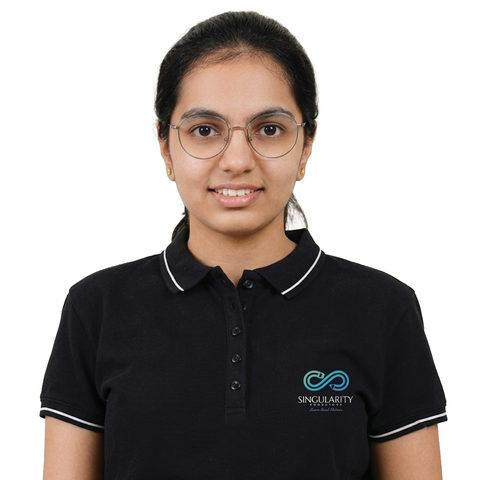
MHT-CET PCM 2026
98.1 percentile
Aditi Phuke
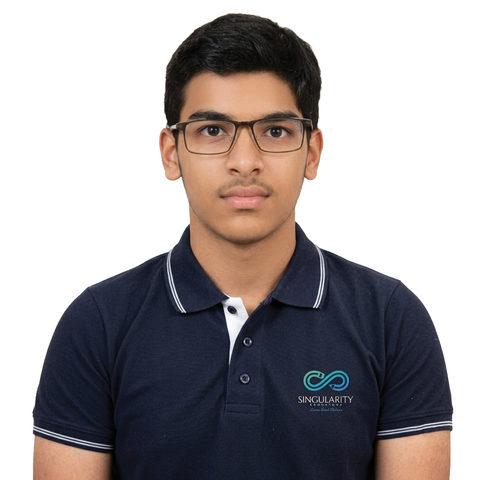
MHT-CET PCM 2026
97.21 percentile
Mayank Kohadkar
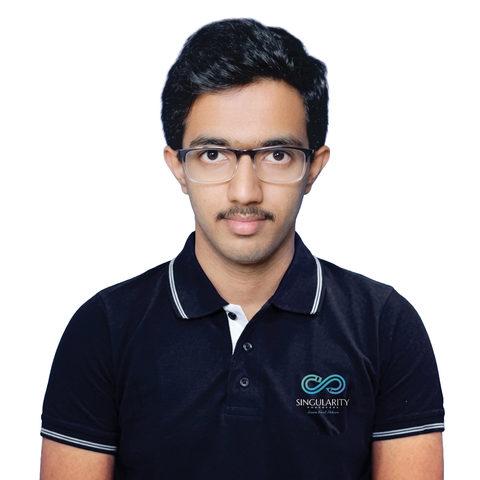
MHT-CET PCM 2026
94.56 percentile
Umang Chinchore
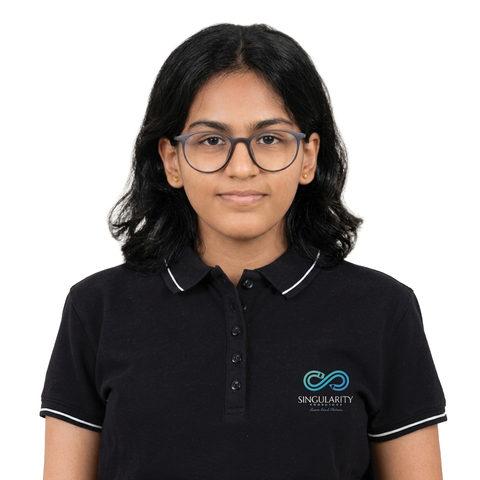
MHT-CET PCM 2026
94.46 percentile
Rajasi Nerkar
MHT-CET PCM 2026
91.32 percentile
Tanishee Sanodia
MHT-CET PCM 2025
97.7 percentile
Apurva Kulkarni
MHT-CET PCM 2025
94 percentile
Khushi Parekh
MHT-CET PCM 2025
91.63 percentile
Akhilesh Bhosale
MHT-CET PCM 2024
Bharati Vidyapeeth
Ankit Anand
MHT-CET PCM 2024
MIT Pune
Atharva Varade
MHT-CET PCM 2023
98 percentile
Rohan Phanse
MHT-CET PCM 2022
B.Tech (Chemical)
Gauri Thakur